
I once saw a woman in Vegas, surrounded by a small crowd, practically levitating with each pull of the lever. Clang! Clang! Clang! The machine erupted in a cascade of coins, and murmurs rippled through the onlookers. Was it skill? Divine intervention? Or had she simply stumbled upon a “hot” slot machine?
The allure of the “hot” slot is undeniable. We’ve all heard whispers: machines pay out more at night, or after a big win, or if you play a certain pattern. These whispers fuel countless gambling strategies, rituals, and superstitions.
But what if the concept of “hot” slots is nothing more than a captivating mirage? This article will dive deep into the heart of slot machine mechanics, exploring the science and the psychology that truly govern those spinning reels. Forget the folklore – we’re here to expose the reality behind winning streaks and to help you understand the game beyond the myth.
Debunking the Myths: What Makes a Slot Machine “Hot?”
The allure of hitting it big on a slot machine often fuels a search for the elusive “hot” slot – the one supposedly primed to pay out. This pursuit is riddled with misconceptions and old wives’ tales that can lead to misguided strategies and disappointment. The truth is, the concept of a slot machine being “hot” is largely a myth, a seductive idea that clashes with the cold, hard reality of how these games actually work.
One common belief is that a slot machine is more likely to pay out after it has just paid out a jackpot. The logic goes that the machine is “due” for another win. This is a perfect example of the gambler’s fallacy – the mistaken belief that past events influence independent random events. Each spin of a slot machine is an independent event, entirely disconnected from what happened before. The machine doesn’t remember its previous payouts, nor does it care.
Another widespread myth suggests that certain times of day, or when fewer people are playing, are more conducive to finding a hot slots myth. The idea is that casinos might loosen the machines to entice players or that a less crowded environment improves your odds. However, slot machines are governed by random number generators (RNGs). These sophisticated computer programs generate thousands of random numbers per second, and the outcome of each spin is determined by the precise moment the player hits the spin button. The time of day, the number of players, or any other external factor has absolutely no impact on the RNG’s operation.
Therefore, chasing the “hot” slot is ultimately a futile endeavor. Understanding the fundamental role of randomness in slots is crucial for responsible and enjoyable gambling. Instead of relying on myths and superstitions, focus on setting a budget, playing within your means, and viewing slot machines as a form of entertainment, not a guaranteed path to riches.
Understanding RNGs: The Heart of the Machine
At the core of every slot machine, whether it’s a classic mechanical reel or a modern video slot, lies a sophisticated piece of technology called a Random Number Generator, or RNG. This isn’t some simple dice roll simulated electronically; it’s a complex algorithm designed to produce a continuous stream of numbers in a completely unpredictable sequence. The RNG is the engine that drives the outcome of each spin, ensuring that the game is fair and unbiased.
Here’s how it works: The RNG algorithm constantly generates numbers, even when the machine isn’t being played. When a player hits the spin button, the RNG captures the number at that precise moment. This number is then used to determine the position of the reels or the symbols displayed on the screen. Because the RNG is constantly cycling through numbers at an incredibly rapid pace, it’s virtually impossible to predict what the next number will be. This is the essence of randomness in slot machine mechanics.
It’s crucial to understand that each spin is an independent event. The RNG doesn’t “remember” previous spins, wins, or losses. The outcome of the current spin has absolutely no connection to what happened before. Every spin has an equal chance of winning, regardless of past results. This principle of independent events is fundamental to the fairness of the game.
To guarantee this fairness, RNGs undergo rigorous testing and certification processes. Independent testing agencies evaluate the algorithms to ensure they are truly random and unbiased. These tests are designed to detect any patterns or predictability in the number sequences. Only after passing these strict evaluations can a slot machine be certified for use in a casino. This rigorous oversight provides assurance to players that the games are fair and that the odds of winning are based purely on chance. The casino technology and its commitment to fair play guarantees that every player has a genuine opportunity to win with each spin.

RTP and Volatility: Key Concepts for Smart Play
Understanding Return to Player (RTP) percentage and volatility is crucial for anyone looking to navigate the world of slot machines with a bit more savvy. These two concepts offer valuable insights into the potential behavior of a game and can significantly influence a player’s overall experience.
Return to Player (RTP) Explained
The Return to Player (RTP) percentage represents the theoretical amount of money a slot machine is programmed to pay back to players over an extended period, usually millions of spins. For instance, a slot with a 96% RTP theoretically returns $96 for every $100 wagered. It’s important to remember that this is a statistical average calculated over numerous spins, not a guarantee of what will happen in a single playing session.
Understanding Slot Machine Volatility
Volatility, on the other hand, describes the risk associated with playing a particular slot. It indicates how often and how much a slot machine tends to pay out. Low volatility slots provide more frequent, smaller wins, offering a steadier and potentially longer-lasting gameplay experience. High volatility slots, however, are characterized by less frequent but potentially larger payouts. These games can be more unpredictable, with longer periods without wins followed by the chance of significant rewards.
Choosing Slots Based on Risk Tolerance
The choice between low and high volatility slots depends on individual risk tolerance and playing preferences. Players who prefer a more consistent experience with less risk of losing money quickly might opt for low volatility slots. Those seeking the thrill of chasing larger jackpots and who are comfortable with the possibility of longer losing streaks might prefer high volatility options. Selecting slots based on these preferences enhances the gaming experience.
Ultimately, RTP and volatility are essential tools for making informed decisions when choosing a slot machine. While RTP provides an overview of potential returns over time, volatility shapes how a game plays out in the short term. Understanding these concepts allows players to select games that align with their risk tolerance, playing style, and desired entertainment value.
Maximizing Your Enjoyment: Strategies for a Better Experience
Slot machines, with their flashing lights and enticing sounds, offer a thrilling experience, however, the excitement can quickly fade without a strategic approach. The key to truly enjoying these games lies not just in playing, but in playing smart.
Budgeting for Slots: Your First Line of Defense
Before even thinking about spinning those reels, establish a firm budget. This isn’t just a suggestion; it’s your financial lifeline. Decide how much you’re willing to spend, and, crucially, accept that you might lose it. Consider it the cost of entertainment. Once that budget is gone, walk away. Chasing losses is a recipe for disaster. I’ve personally found it helpful to divide my gambling budget into smaller chunks, allocating each chunk to a specific session. This prevents me from blowing it all at once in a moment of overzealousness. It allows me to keep my emotions in check and manage my spending more strategically.
RTP Optimization: Choosing Your Battles Wisely
All slot machines are not created equal. They have varying Return to Player (RTP) percentages. RTP indicates the percentage of wagered money a slot machine is expected to pay back to players over time. Do a little research and seek out games with higher RTPs. This doesn’t guarantee a win, but it statistically improves your odds. A few extra percentage points can make a significant difference over the long haul. Many online casinos readily display the RTP of their games; take advantage of this information.
Understanding Volatility: Knowing What to Expect
Volatility, also known as variance, refers to the risk level associated with a particular slot machine. High volatility slots offer the potential for large payouts, but wins are less frequent. Low volatility slots provide more frequent, smaller wins. Choose a game that aligns with your risk tolerance and playing style. If you prefer a more steady stream of wins to extend your playing time, opt for a low volatility slot. If you are willing to risk a larger amount to win big prizes, go for high volatility slots. Remember to not do it all the time! It is important to keep a balance when you are willing to spend money to have fun.
Mastering Bonus Features: Unlock the Full Potential
Most slots offer bonus features like free spins, multipliers, and mini-games. These features not only add excitement but also provide opportunities to boost your winnings. Take the time to understand how these features work. Many games offer a demo mode where you can practice and familiarize yourself without risking real money, allowing you to dive in and experience the game’s unique elements before wagering your money.
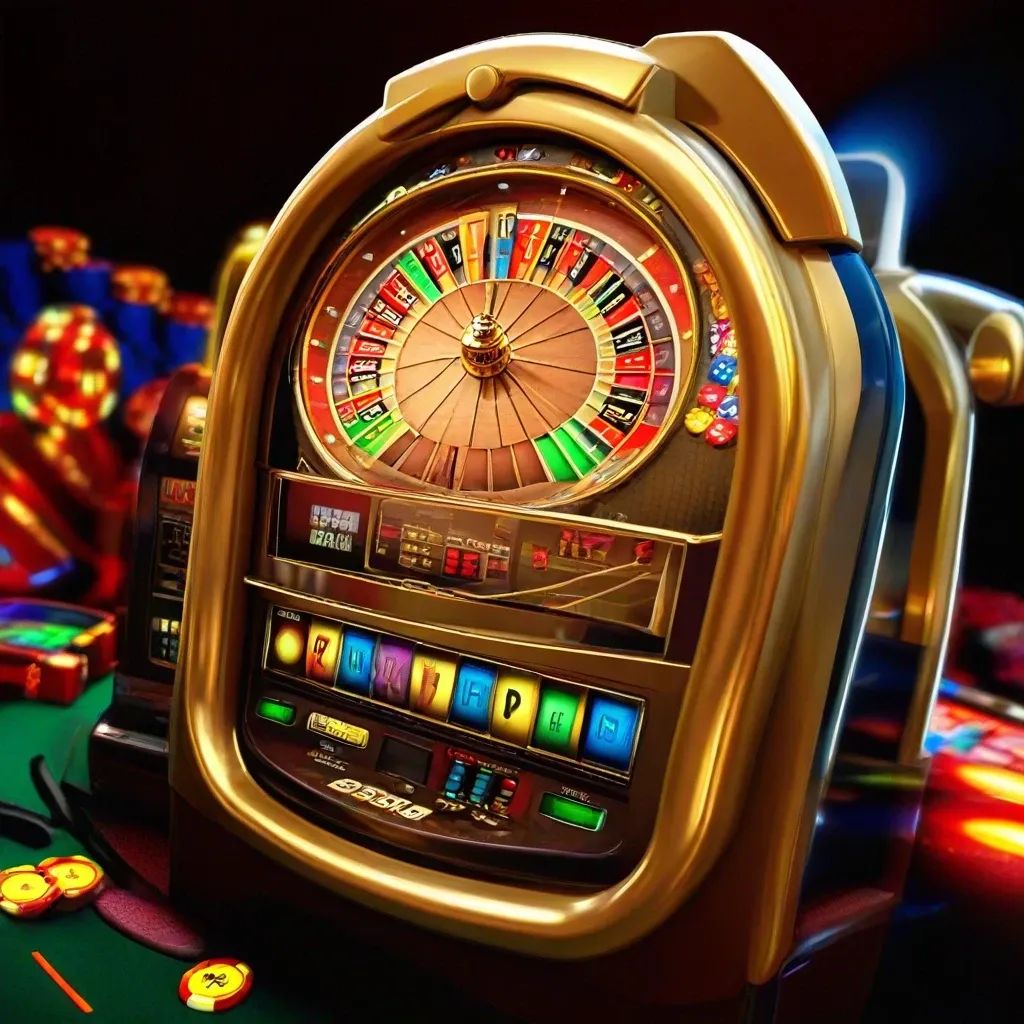
Casino Psychology: How the Environment Influences You
Casinos are meticulously designed environments, and understanding the principles of casino psychology is key to navigating them with awareness. It’s not just about luck; the entire gambling experience is carefully orchestrated to influence your behavior and encourage you to keep playing, often against your better judgment.
One of the most noticeable tactics is the manipulation of the senses. Dim lighting creates a timeless, almost dreamlike atmosphere, disconnecting you from the outside world and the passage of time. The absence of clocks and windows further contributes to this disorientation, making it easy to lose track of how long you’ve been playing and how much money you’ve spent. This is all part of a deliberate strategy to keep you immersed in the casino experience.
Sound also plays a crucial role. The constant hum of activity, punctuated by the celebratory jingles and bells of winning machines, creates an atmosphere of excitement and anticipation. Even if you’re not winning, the sounds suggest that a big payout is always just around the corner, fueling the desire to keep trying. Free drinks further contribute to impaired judgment. While seemingly a gesture of generosity, alcohol lowers inhibitions and makes individuals more likely to take risks they wouldn’t normally consider.
The layout of the casino is equally strategic. The maze-like design ensures that you have to walk past numerous gambling opportunities to reach your destination, constantly tempting you to stop and play. High-traffic areas are often filled with the most enticing games, while essential facilities like restrooms and ATMs are deliberately placed to encourage further exploration of the gaming floor. This carefully constructed environment preys on instincts and exploits psychological vulnerabilities. By understanding these tactics, gamblers can make more informed decisions and avoid falling prey to the casino’s carefully crafted illusions.
Responsible Gambling: Setting Limits and Staying Safe
Gambling can be a fun and exciting form of entertainment, but it’s crucial to approach it responsibly. Responsible gambling means understanding the risks involved and taking steps to protect yourself from potential harm. One of the most effective strategies is setting limits, both for your time and your money,before* you even begin to play.
Decide on a specific amount you’re comfortable spending and stick to it, regardless of whether you’re winning or losing. Similarly, set a time limit for your gambling sessions and honor it. Avoid the temptation to chase losses or extend your play in the hopes of a big win; this can quickly lead to problem gambling. Remember that the odds are always stacked against you.
Recognizing the signs of problem gambling is also essential. These signs can include gambling more than you can afford to lose, feeling the need to gamble more frequently, neglecting responsibilities, and experiencing anxiety or depression related to gambling. If you or someone you know is struggling with these issues, help is available.
Various resources offer support and guidance for problem gambling. If you think you may have a problem with gambling reach out to a hotline, such as 1-800-GAMBLER, or visit a website like GamblersAnonymous.org to get assistance. Remember, gambling should be viewed as a form of entertainment, and it should never negatively impact your personal finances or well-being.
Conclusion
In summary, while the allure of striking it rich on slot machines is undeniable, a clear understanding of Random Number Generators (RNGs) and Return to Player (RTP) percentages is paramount. These elements dictate the unpredictable nature of each spin and the theoretical payout over time, respectively. However, keep in mind that there’s no foolproof strategy to guarantee wins on slots. The key is to approach them as a form of entertainment, not as a source of income.
Therefore, understanding how slot machines work can lead to better decision-making and a more enjoyable experience. Set limits, gamble responsibly, and remember that the odds are always in the house’s favor. By practicing informed gambling, you can enjoy the excitement of slot machines without falling prey to common misconceptions and potentially costly mistakes.